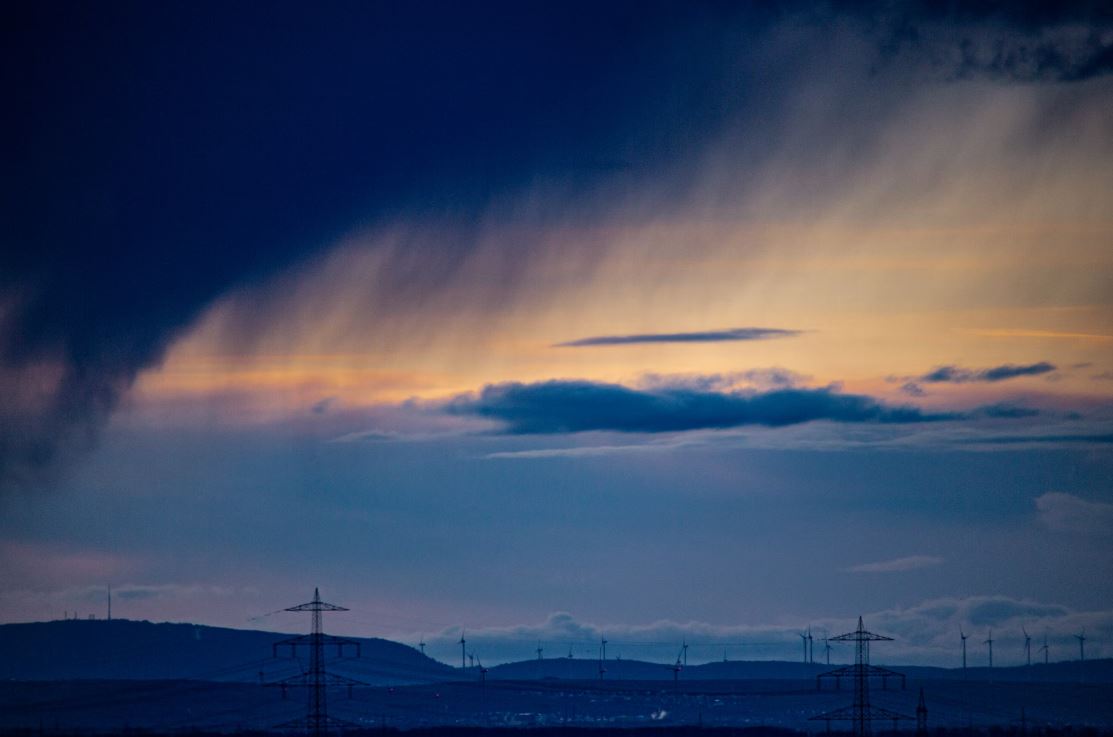
In “City circles”, the report cited, bankers are licking their lips over the potential for a deal to finally happen this year between BHP and Anglo American, after the latter’s board got all revved up and started doing what BHP said they should do last time the Australian listed outfit took a run at them. It’s back on. Or at least a media savvy banker wants it back on. The “mega-deal” will not only give the coterie of bankers, lawyers and PRs something to go at for their 2025 budgets, it’ll also help BHP to fill a hole in copper. The problem, analysts say, is that they don’t have enough of the stuff, at a time when it’s in hot demand in the throes of an energy transition. And yet, amidst the near universal bullish outlook for copper, a side serving of caution might be warranted. The large scale adoption of renewables, others argue, will only be achieved if societies accept lower economic growth, and lower standards of living. The targets are unfeasible. As such long-term demand forecasts for copper are set to “unravel”, whispering a more bullish outlook for the likes of uranium and natural gas; the latter of which has seen prices surge in the past six months. Tangentially, the WSJ reported this week on the jump in leasing of electric vehicles. According to Toyota’s US sales chief “almost everyone leases the car”. Now this is perhaps because of inflation’s bear hug on disposable spend, or perhaps due to a $7,500 federal subsidy for leasing a new EV. Who knows, either way leases are very much in vogue. The wider problem for car executives, is that they went all in on EVs at a time of political support, but those shiny new vehicles now rolling off the production line are doing so into a market where demand is soft. This has led to all sorts of promotions and deals, included leases. The glut is likely to persist. And it’s not just EVs. As the incoming President has vociferously gone at, wind farms only work with massive government subsidies. Federal tax credits can cover 50% of the cost of an offshore development, and more than 80% for onshore. With interest rates rising amidst persistent inflationary pressures, and an administration with an apparent square-jawed intent to end subsidies, it’s likely that wind developers will look at the maths and deem many more projects uneconomic. Expect more cancellations. More write-downs. The political winds have shifted in the US, how long before others follow? Like it or not, economic growth depends on it.
Transition
 Hatherden Gazette